Checking Out the Ingenious Processes Behind Modern Aluminum Shop Procedures
Modern light weight aluminum foundry procedures are undergoing substantial makeover. Automation and AI are reshaping manufacturing approaches, boosting both efficiency and precision. The assimilation of 3D printing is enhancing mold production, while sustainability techniques are becoming more necessary. Each of these developments plays a key role in redefining the sector. The ramifications of these changes expand beyond plain production efficiency. What difficulties and chances exist ahead for light weight aluminum factories in this advancing landscape?
The Function of Automation in Light Weight Aluminum Foundries
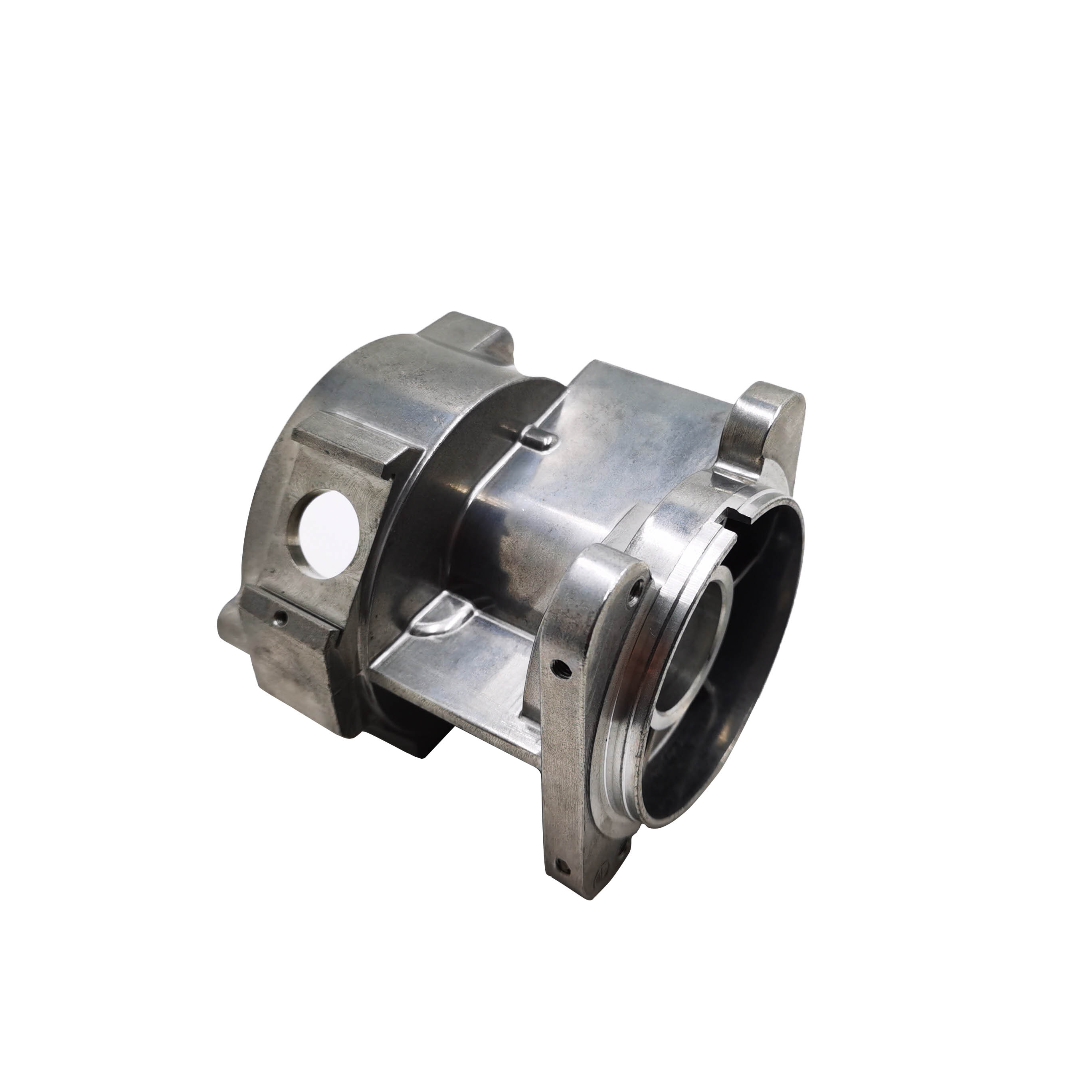
Automation contributes to boosted safety and security requirements within the factory environment. By moving harmful jobs to machines, human workers can focus on managerial functions and quality control, reducing the danger of crashes. On top of that, data analytics derived from automated processes provide beneficial understandings into operational performance, causing better decision-making and constant renovation. As the need for light weight aluminum products expands, the fostering of automation innovations will likely broaden, additionally transforming the landscape of light weight aluminum shop operations.
Developments in Spreading Technologies
Current innovations in casting technologies are changing aluminum shop procedures. Advancements such as 3D printing combination, advanced alloy solutions, and automated process optimization are enhancing effectiveness and item quality. These developments are essential in fulfilling the developing demands of the market.
3D Printing Combination
Integrating 3D printing modern technology right into aluminum shop procedures has actually changed conventional spreading approaches, enhancing both efficiency and accuracy. This cutting-edge method enables the rapid manufacturing of complicated molds and cores, significantly minimizing lead times and product waste. By making use of additive manufacturing, factories can develop complex geometries that were impossible or formerly challenging to achieve with conventional methods. The adaptability of 3D printing also enables quick design adjustments, promoting an extra dexterous production process. In addition, this integration sustains making use of light-weight frameworks, which is progressively essential in markets such as auto and aerospace. As aluminum shops continue to embrace 3D printing, they place themselves at the forefront of technical advancement, driving improvements in product high quality and operational abilities.
Advanced Alloy Formulations
The growth of sophisticated alloy formulas has actually considerably improved spreading innovations in light weight aluminum factory procedures. These formulas incorporate different components, such as copper, silicon, and magnesium, to enhance mechanical properties and thermal resistance. By tailoring the composition of light weight aluminum alloys, producers can achieve certain performance features that fulfill the needs of diverse applications, from vehicle elements to aerospace structures. Using sophisticated alloys additionally adds to lowered weight and enhanced stamina, which are important variables in contemporary engineering. Furthermore, advancements in alloy growth allow much better fluidity throughout spreading, leading to enhanced surface area coatings and lowered issues. Generally, advanced alloy solutions represent a considerable jump onward, placing aluminum foundries to fulfill the progressing demands of various industries successfully.
Automated Refine Optimization
Developments in casting technologies have actually led the way for automated procedure improvement in light weight aluminum factory procedures. By incorporating innovative software application and real-time data analytics, shops can currently enhance manufacturing processes and enhance quality assurance. Automated systems keep track of variables such as temperature, stress, and air conditioning rates, enabling prompt adjustments that decrease defects and waste. Furthermore, artificial intelligence algorithms evaluate historic efficiency information to forecast excellent setups, consequently enhancing performance and reducing cycle times. Robotics additionally play a significant function, managing recurring jobs that enhance security and accuracy. Generally, these advancements not only drive operational performance yet additionally enable factories to fulfill the growing demand for top notch aluminum elements in numerous markets.
Smart Production and Industry 4.0 Assimilation
The integration of Smart Production and Industry 4.0 within light weight aluminum shops is changing functional effectiveness. By leveraging IoT modern technologies, automation, and robotics, foundries can optimize manufacturing procedures and minimize downtime. Additionally, information analytics gives vital understandings that improve decision-making and drive continual improvement.
IoT in Foundry Workflow
As makers progressively accept the Net of Points (IoT), foundry procedures are experiencing a transformative change towards wise production and Industry 4.0 assimilation. Aluminum Foundry. IoT modern technologies enable real-time information collection and analysis, enhancing decision-making processes and operational efficiency. Sensing units and linked tools check devices performance, product use, and environmental problems, permitting positive maintenance and source optimization. This connectivity fosters an extra nimble production setting, where adjustments can be made quickly in action to market needs. In addition, IoT promotes improved traceability and high quality control, as information from the entire manufacturing cycle can be conveniently accessed and evaluated. On the whole, the assimilation of IoT in foundry procedures substantially enhances productivity and drives advancement in light weight aluminum production procedures
Automation and Robotics Combination
Automation and robotics combination is transforming aluminum shop operations by improving performance and accuracy. This transformative method simplifies procedures such as molding, pouring, and finishing, reducing human error and raising outcome uniformity. By using innovative robotic systems, shops can achieve greater manufacturing rates while preserving rigid top quality criteria. Automated systems also allow real-time surveillance and flexible control, permitting for quick modifications to manufacturing specifications. official site Additionally, the integration of robotics decreases labor prices and mitigates safety and security threats connected with manual handling of liquified steel. As foundries welcome smart manufacturing concepts inherent in Sector 4.0, the synergy in between automation and robotics solidifies their competitive side, leading the way for sustainable growth and innovation in the aluminum spreading industry.
Information Analytics for Efficiency
Taking advantage of data analytics significantly boosts efficiency within light weight aluminum factory procedures, lining up with clever manufacturing and Industry 4.0 concepts. By leveraging real-time data collection and analysis, shops can check manufacturing procedures, anticipate tools failings, and optimize resource allowance. This data-driven technique helps with informative decision-making, enabling supervisors to improve and recognize bottlenecks process. In addition, anticipating analytics encourages factories to prepare for market needs, therefore reducing waste and ensuring timely item distribution. Integration of data analytics with IoT devices boosts operational visibility, promoting an aggressive maintenance culture. Eventually, applying these advanced analytical techniques not only boosts efficiency but also drives development, positioning aluminum foundries to satisfy the advancing demands of the industry while keeping affordable sides in a quickly transforming landscape.
Sustainable Practices in Aluminum Spreading
While the light weight aluminum spreading sector has actually commonly faced ecological challenges, lots of foundries are now adopting sustainable techniques to alleviate their impact (aluminum casting). A significant focus has gotten on recycling light weight aluminum scrap, which not only minimizes waste yet likewise preserves power contrasted to main aluminum manufacturing. Innovative melting innovations, such as induction furnaces, enhance power performance and reduced greenhouse gas discharges
In addition, foundries are applying closed-loop water systems to reduce water intake and lower thermal contamination. Making use of eco-friendly binders in mold-making processes is acquiring traction, more reducing hazardous exhausts.
Moreover, some facilities are investing in renewable resource resources to power procedures, aligning with international sustainability objectives. By integrating these techniques, the aluminum spreading sector is evolving toward a more environmentally accountable future, demonstrating that financial development can exist together with ecological stewardship - Aluminum Foundry. These efforts mirror a dedication to sustainability and the importance of environmental accountability in production
Top Quality Control Innovations
As the light weight aluminum spreading sector breakthroughs towards sustainability, the significance of high quality control advancements ends up being increasingly evident. Modern light weight aluminum foundries are taking on advanced modern technologies to enhance their quality control processes. Methods such as real-time surveillance and data analytics allow suppliers to discover defects and incongruities early in the manufacturing cycle. Carrying out automated examination systems outfitted with device learning algorithms warranties that items meet stringent high quality requirements while decreasing human mistake.
Furthermore, the integration of non-destructive testing techniques, such as ultrasonic and radiographic evaluations, gives deeper insights right into the honesty of castings without damaging the product. These innovations not only improve item dependability yet additionally reduce waste, straightening with sustainability objectives. Furthermore, the adoption of standard quality frameworks assists improve operations across different factories, guaranteeing uniformity in output. Jointly, read this these innovations are reshaping high quality control, fostering a culture of excellence within the light weight aluminum spreading industry.
Future Patterns in Light Weight Aluminum Foundry Procedures
What advancements lie in advance for light weight aluminum shop operations? The future of aluminum shops is positioned for transformation through advancements in automation, artificial intelligence, and lasting methods. The combination of robotics and automated systems is anticipated to improve effectiveness and accuracy in the casting procedures, lowering human mistake and labor costs. Additionally, AI-driven analytics will certainly enable real-time tracking and predictive maintenance, optimizing functional performance and reducing downtime.
Sustainability continues to be a centerpiece, with foundries progressively embracing green practices, such as utilizing recycled aluminum and establishing low-emission melting modern technologies. Advancements in 3D printing are additionally anticipated to change mold-making, permitting complicated geometries and reduced material waste. As the sector embraces digitalization, data-driven decision-making will certainly end up being crucial, making it possible for shops to respond swiftly to market demands. Collectively, these fads promise to redefine light weight aluminum factory procedures, making them a lot more reliable, lasting, and adaptable to future challenges.

Often Asked Questions
What Precaution Are Applied in Light Weight Aluminum Shop Workflow?
Light weight aluminum foundry procedures apply numerous precaution, consisting of personal safety equipment, ventilation systems to take care of fumes, routine safety and security training, emergency situation action plans, and rigorous tracking of temperature and equipment to stop crashes and warranty employee safety and security.
How Do Factories Manage Labor Force Training for New Technologies?

What Materials Are Typically Reused in Aluminum Foundries?
Light weight aluminum foundries generally reuse scrap aluminum, consisting of post-consumer products like beverage cans, auto parts, and building products. This recycling procedure lowers waste and saves sources, adding to a more lasting light weight aluminum production sector.
How Does Aluminum Spreading Effect the Atmosphere?
Light weight aluminum casting effects go to this web-site the atmosphere through energy-intensive procedures, greenhouse gas exhausts, and potential neighborhood air pollution. However, advancements in recycling and lasting methods can minimize these results, promoting a much more eco-friendly strategy to light weight aluminum manufacturing.
What Are the Normal Lead Times for Light Weight Aluminum Spreading Projects?
Common preparation for light weight aluminum casting projects vary considerably, normally varying from two to 6 weeks. Variables affecting these timelines consist of intricacy, order dimension, and material availability, impacting general manufacturing routines in foundry operations.
Automation significantly plays an important duty in light weight aluminum factories, improving efficiency and precision in the manufacturing process. Innovations in casting innovations have led the means for computerized procedure enhancement in aluminum shop operations. Using information analytics significantly enhances effectiveness within aluminum shop operations, straightening with wise production and Sector 4.0 concepts. A considerable emphasis has actually been on reusing light weight aluminum scrap, which not just decreases waste however likewise conserves power compared to main light weight aluminum production. Light weight aluminum foundries generally reuse scrap aluminum, including post-consumer items like drink cans, vehicle components, and building materials.